When the Law Changes, the Label Can Remain
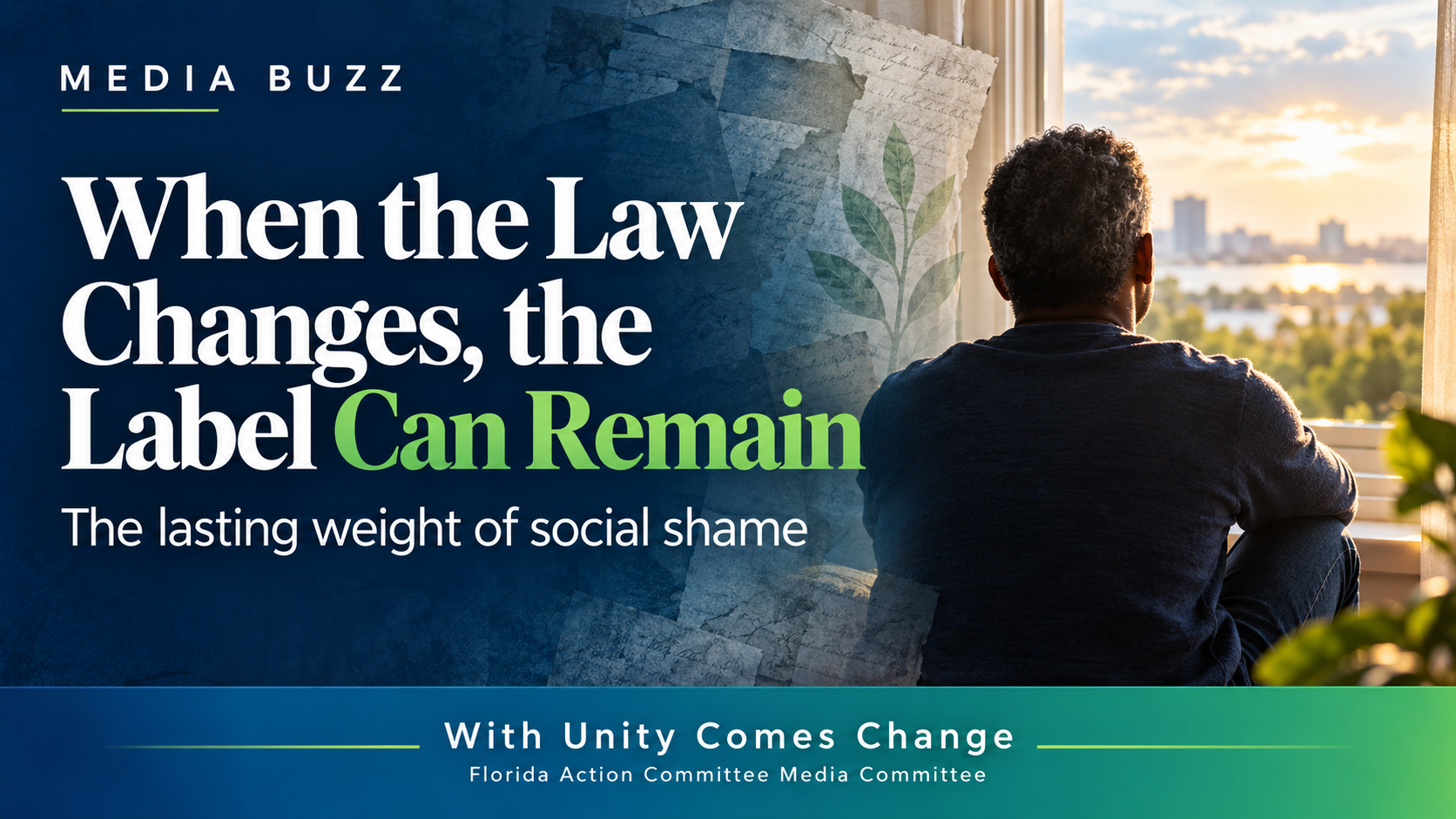
What happens when a law changes, but the social shame attached to a conviction remains?
Earlier this morning, we looked at campaign rhetoric and reality. A new BBC report takes that discussion further: changing the law does not always clear a person’s record or repair the harm.
BBC News reports that Northern Ireland’s scheme for certain abolished gay-sex offences received three applications in eight years. None met its eligibility rules. The scheme began operating in 2018.
The social shame can remain
In the video, historian Professor Tom Hulme suggests that “personal shame” may help explain why some people have not applied. He describes traumatic court experiences, names, addresses and jobs printed in local newspapers, and time in prison. Seeking relief may mean reopening those wounds.
Watch at the BBC.
A law can change while the fear of being exposed and judged stays with a person.
Hulme also explains that public-place offences were used disproportionately against gay and bisexual men. Some conduct remains illegal today, putting those convictions outside the current scheme. Northern Ireland’s Department of Justice says it is reviewing the scheme’s scope.
There is an important distinction: the unsuccessful applications do not mean automatic pardons for deceased people are unavailable. Official guidance provides for those pardons when the legal conditions are met. For living applicants, a successful disregard removes the conviction or caution from criminal-record checks.
Why this matters in Florida
For someone carrying a public registry label, that fear may feel familiar. Will neighbors judge them? Will their children or partner face hurtful comments? Will asking for help expose the family again? These are questions about social shame and how a label may shape daily life.
Shame may make it harder to speak up, tell a story or ask for help. It could be one reason a person hesitates to seek relief. There can be many others, including strict eligibility rules, the time that has passed, or not wanting to revisit the past. The BBC report does not measure how much each reason matters, or establish the reasons Florida registrants may hesitate.
Florida law generally requires lifetime registration, with specified exceptions and routes to removal. One petition route requires at least 25 years after release from confinement, supervision or sanction, whichever is later, along with other strict conditions. It is unavailable for certain convictions, and meeting its requirements does not guarantee relief.
That makes careful language essential. Being on a registry and posing a current risk are different questions. A label alone cannot answer them all.
We have also examined sweeping claims about rehabilitation. An Office of Justice Programs research review reports evidence that some treatment approaches can reduce reoffending, while acknowledging gaps in the research. Blanket claims leave out that evidence.
Northern Ireland’s history of criminalizing same-sex conduct and Florida’s registration system have different laws and histories. The lesson is to examine each person’s circumstances, the evidence behind a restriction, and whether relief works in practice. But the Shame exists in both.
People harmed by sexual abuse deserve safety, care and support. Fairness also requires us to ask whether an old label tells the whole story of a person’s life today.
A path to relief should be measured by whether people can actually use it.
Discover more from Florida Action Committee (FAC)
Subscribe to get the latest posts sent to your email.


Comment Policy