Growing Up on the Registry: When the Whole Family Pays
FLORIDA ACTION COMMITTEE MEDIA
Growing Up on the Registry:
When the Whole Family Pays
Children grow. Parents age. Families keep caring.
October 13, 2026 · Video premiere
PREMIERES TODAY AT 10 A.M. EASTERN
Tuesday, October 13, 2026 · 5 minutes, 32 seconds
The premiere page is open; playback begins at the scheduled time.
Children grow, parents age, and caregiving changes direction. Registration can affect a family’s plans across generations. A parent who once provided rides may need help with appointments. An adult child may become a caregiver. Those changing needs deserve attention.
Youth and aging in the records
AGE 65+
20,118
INCLUDED ABOVE: AGE 80+
2,914
October 6, 2026 ages; deceased/absconded records excluded. Includes out-of-state and confined records, not just Florida community residents.
572
All-age Juvenile Walsh records, including one deceased; not 572 children.
76
A separate review identified 76 people with qualifying court decisions before 18.
26
Under 18 as of October 6, 2026.
These groups can overlap. Do not add them.Yes. His concern is about who the statistics include, rather than the proposed legislation. The missing detail is that the 76 came from a limited ten-year review, not every case involving an offense before age 18.
What these numbers mean
572: Records labeled “Juvenile Sex Offender (Walsh)” by FDLE, across all ages and case years in the records reviewed. Most are adults now; one record is marked deceased.
76: People with other registry designations identified in a separate review of people age 31 or younger on October 6, 2026. Their qualifying court decisions occurred before age 18 between October 6, 2016 and October 6, 2026. Older people and earlier court decisions were outside this review.
26: People under 18 on October 6, 2026, across all registry designations in the records reviewed. Twenty are also included in the 572.
These are not totals for everyone whose offense occurred before age 18, or everyone who first registered before 18. Age at the offense, age at the court decision and age at first registration are different. Do not add these figures into one youth total.
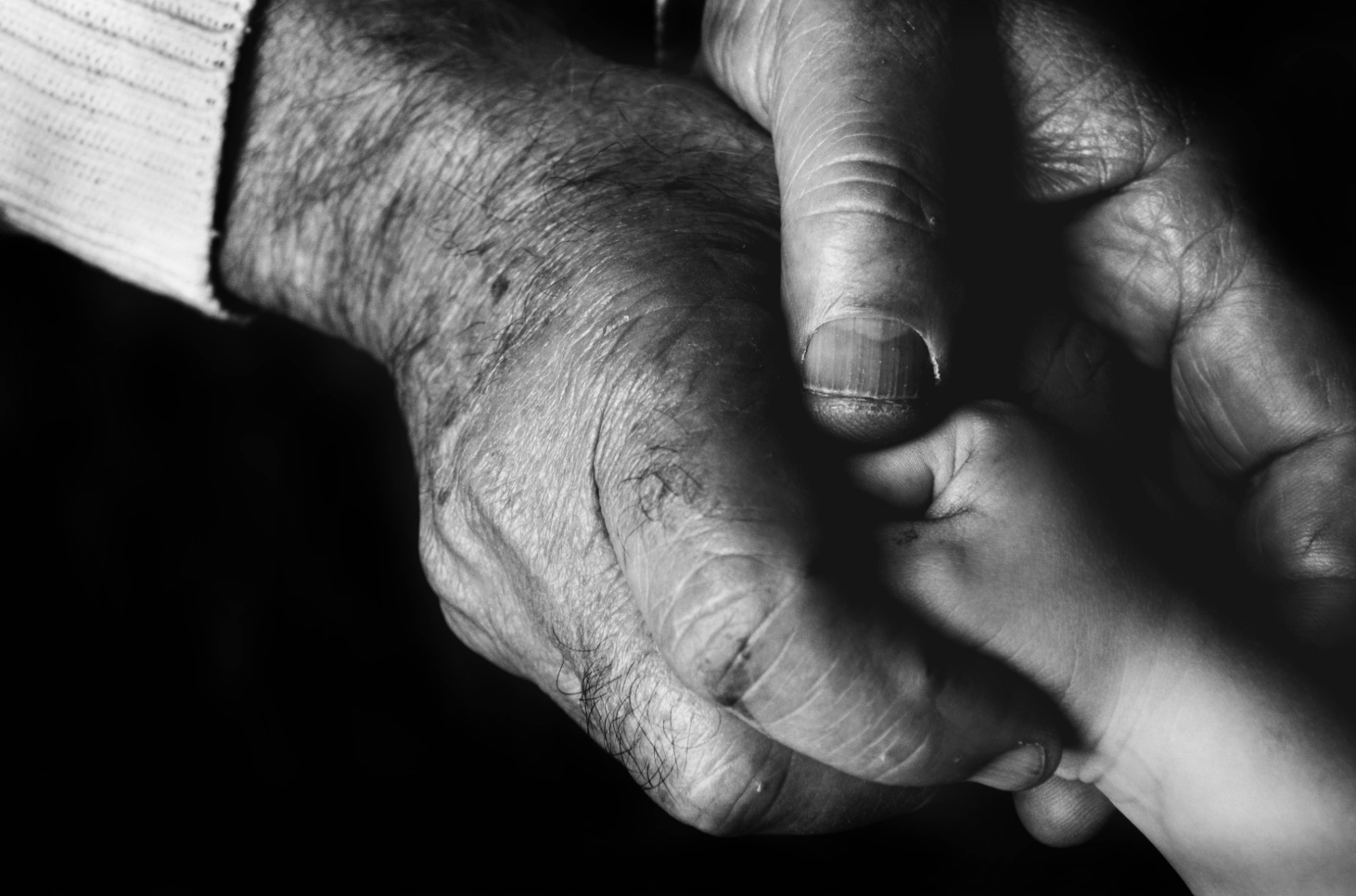
Families carry the strain
A 2009 Levenson–Tewksbury study found 73% anxiety, 77% depression and 65% feeling excluded among 95 caregiver responses about children. These self-selected reports were not diagnoses, national estimates or proof of causation.
Age alone is not a diagnosis. NIA distinguishes ordinary forgetfulness from cognitive impairment. Families facing memory changes need clear instructions, reminders and caregiver support. Our records do not measure cognitive conditions.
Preventing sexual harm and supporting survivors remain essential. Protecting family stability, recognizing documented care needs and making instructions understandable should be part of that conversation.
Policy reaches the household
Panama City Beach’s SB 212 update retained broader local restrictions. Lawmakers should explain impacts on housing and care.
Thank you to FAC’s Legislative Committee: its proposed 2027 Young Adult Registry Petition Act seeks a removal-petition pathway after 10 years rather than 25 for qualifying people whose offenses occurred at 25 or younger. It is not law or automatic removal.
Join today’s 10 a.m. Eastern premiere. Our companion Short is planned for 5 p.m. Eastern on FAC’s YouTube channel.
Earlier OPPAGA figures and comparison limits
Age 65-plus: 14% in October 2018 versus 22.6% in the October 6, 2026 records used for this report, about 8.6 percentage points higher. To align with OPPAGA’s broad death-excluded scope, this comparison includes absconders: 20,497 aged 65-plus out of 90,615 current records. That broader population differs from the headline counts above. OPPAGA’s 14% of 73,004 is rounded; no matched historical 80-plus count is presented.
Provisional juvenile-category comparison: 515 in October 2024 versus 571 in the October 6, 2026 records used for this report, deaths excluded. OPPAGA uses “juvenile sex offenders”; the file uses “Juvenile Sex Offender (Walsh).” An exact category mapping has not been obtained, so this does not establish a like-for-like increase or newly registered children.
Sources: FDLE files pulled for this report, separate reviewed court records and linked OPPAGA reports. Ages are completed years on October 6, 2026. The files supplied October 6, 2026 are not a certified live census. The headline elderly figures cover 89,453 records excluding deceased and absconded entries. The 76-person case review is not added to snapshot counts; court-decision ages do not establish first-registration ages.
Discover more from Florida Action Committee (FAC)
Subscribe to get the latest posts sent to your email.


I am currently caring for a mother with dementia. She refuses to leave the home, but is in need of care at a facility. It is very demanding upon me since I still have to work full time. Why lawmakers, care homes and regular citizens choose to willfully ignore this topic is beyond me. It breaks my heart.
As for lawmakers, they care about no one. They add restrictions to the registry constantly because they are too lazy to do the work that it would actually take to effect real change to sexual harm. And they can pretend to care about children all they want but when they exclude the innocent children of registrants and add children to the registry they only prove they are lying about that too. They can put on a fake halo all they want but we aren’t fooled. I was born at night, but it wasn’t last night.