When a School ID Scan Reaches Into a Child’s Family: Administrative Punishment?
FLORIDA ACTION COMMITTEE
When a School ID Scan Reaches Into a Child’s Family
By FAC Media | Research and Commentary
A child looks for a parent in the crowd at a school play. A father gets a call that his child is sick. A mother needs help with school pickup so she can finish her shift.
These are ordinary parts of family life. For families with a parent on the registry, they can also bring fear, paperwork and questions about whether showing up could lead to trouble.
Schools must protect children. That includes the children whose parents are required to register. Our review of school contracts, policies and family accounts asks what this growing system costs, whether it keeps children safer and what families lose along the way.
Florida: the system behind the front desk
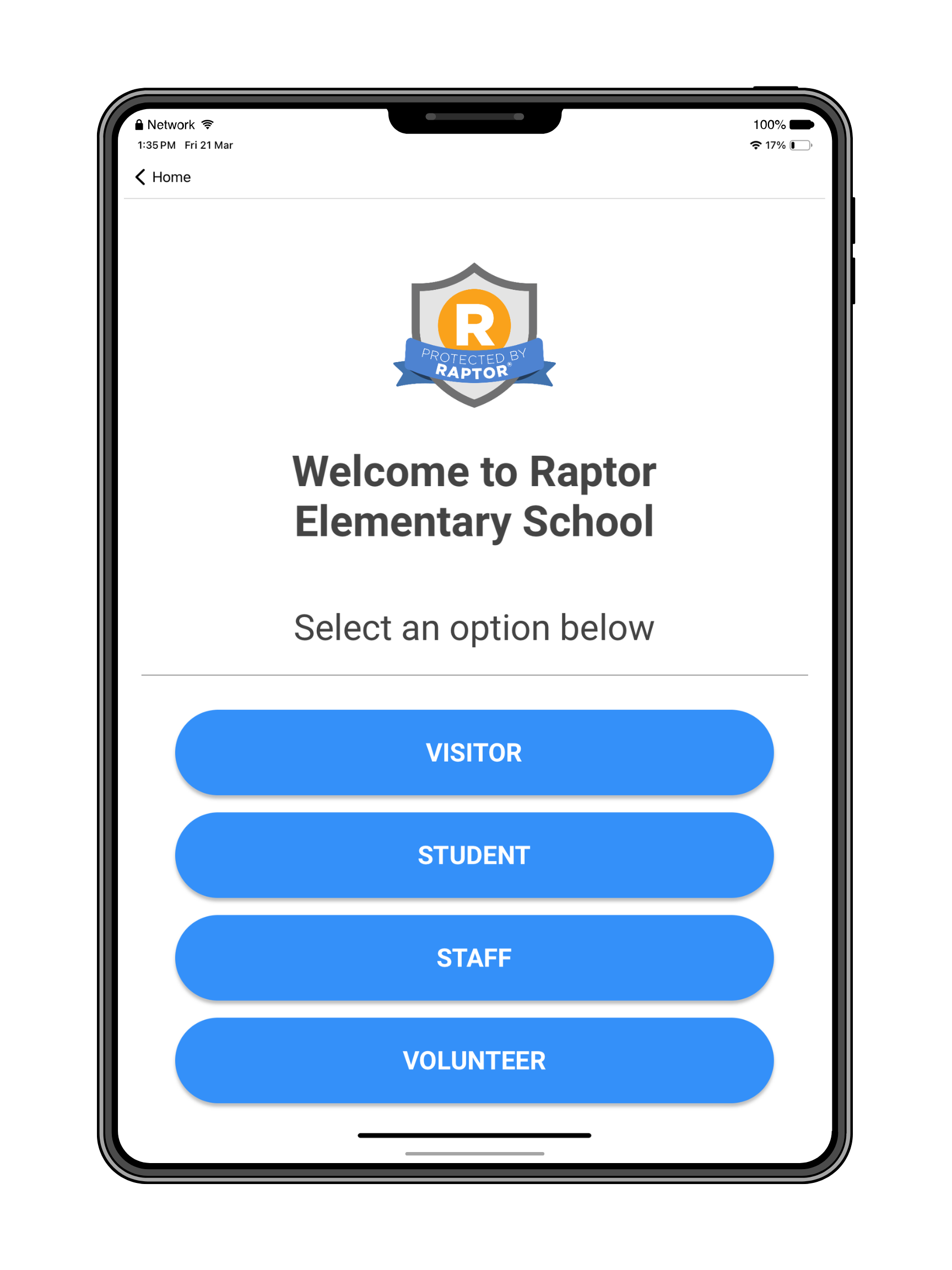
Raptor says its visitor software checks a visitor’s name and birth date against sex offender databases from all 50 states. Schools can also add their own watchlists, including custody restrictions. A match alerts school staff, who follow district rules.
Schools need to know who enters a building and who may collect a child. But a database match alone does not explain why someone came, whether permission was granted or whether that person poses a threat today.
Broward’s approved three-year spending limit for Raptor visitor and volunteer services and equipment. This is the amount approved, not proof the full amount was spent.
The January 2024 award included planned amounts of $683,100 for visitor software, $81,750 for equipment and supplies, and $525,000 for volunteer background checks. The contract covers more than registry checks.
In Miami-Dade’s records, the district reported spending $420,075 on visitor background screening and $167,898.25 on volunteer screening in fiscal year 2024–25. Together, that is $587,973.25. These figures show a continuing expense, but they do not tell us how many children were protected from harm.
North Carolina: a scan, a policy and police
The business behind these checks reaches beyond Florida. Raptor acquired LobbyGuard in 2019.
In Charlotte, WSOC reported two arrests at Winterfield Elementary in 2022: one on May 31 and another on June 7. School officials said LobbyGuard identified the second visitor during check-in. They said students and staff remained safe.
The report did not explain whether either visitor was a parent or why they came. We should not fill those gaps with assumptions.
The district’s archived policy from that period allowed certain parent visits with written permission and supervision. The rules placed conditions on conferences and other visits involving a child’s needs.
That shows how the pieces connect: a registry record, a private screening service, a school policy and a possible police response. The software does not write the law. People write these rules, decide how to use them and must answer for the results.
Missouri and California: families describe the burden
Public accounts help explain what these rules can feel like at home. They also need careful handling.
In a 2024 Reddit discussion, a Missouri parent said school pickup and drop-off access had been denied. The parent described deciding against an appeal because it might expose the family’s situation more widely. Their spouse handled both trips instead.
In a California account, a parent described gaining limited access after a lawyer became involved. The arrangement reportedly allowed vehicle pickup or office visits, with conditions for school events.
Other parents described access being granted. We have not checked these personal accounts against school records. They do not tell us how often schools turn parents away or prove that software caused each problem.
Still, these stories raise questions. Why should a child’s time with a parent depend so much on school rules, money for a lawyer or fear that the family will be exposed?
Children carry part of the cost
When one parent cannot help, another adult may have to leave work, rearrange appointments or handle every school trip. Some families have no backup.
A child may miss having a parent at a school play or graduation. Another may worry that classmates will learn private family details. Even asking for permission can feel risky.
For a parent trying to rebuild a life, another closed door can hurt. Wanting to help with homework, meet a teacher or cheer for a child is part of being a parent. These concerns belong in the safety discussion. Children should not be forgotten because of a parent’s status.
Administrative on paper, severe in daily life
In Smith v. Doe, the Supreme Court ruled that the Alaska registry before it was a civil system, not punishment. That decision did not settle every rule added later. Penalties for breaking those rules are also a separate legal issue.
FAC’s goal is to end the registry. Children deserve safe schools, and schools should respond to actual threats and harmful conduct. A parent’s registry label alone does not tell the whole story.
Before spending more public money to expand this system, lawmakers and school leaders should show how it keeps children safer. They should also listen to families who say these rules hurt their children.
Protecting children must include the children whose parents are on the registry. They deserve safety, dignity and a chance to grow up without carrying a label that was never theirs.
Sources and research notes
Sources are linked beside the claims they support. Broward’s figure is an approved contract ceiling; Miami-Dade’s figures are district-reported expenditures. They cover different services and periods and should not be added into a statewide registry-screening total.
The Charlotte policy is historical, relevant to the 2022 reports. The reported arrests do not establish the visitors’ family relationships, purpose or court outcomes. Personal accounts describe what posters say happened; they are not independently verified findings or a representative survey.
Broward full board packet, pages 1722–1728, provides the award details. This article is research and commentary, not individual legal advice.
Discover more from Florida Action Committee (FAC)
Subscribe to get the latest posts sent to your email.

Too bad this gimmick “raptor” software seems to be inefficient at stoping someone with an assault rifle from breaching classrooms. They think it’s a “win” to catch people with this label from entering a school (which zero harm will come from it), but say a few dead kids here and there is “small price to pay” for keeping our beloved 2A.
Once again, they want to take credit for something that doesn’t amount to anything! There is ZERO SAFETY GAIN from this software! Stoping people with this label from entering schools is like taking credit for a venomless snake being caught. “You see! I prevented kids from being bitten! Pathetic.
As if a couple years ago, I have been successfully removed from Florida’s S.O. Registry. In fact, I am now off all State Registries (and was never on a Federal one except what’s pulled from the States). But I wonder if the Raptor system would still “ping” my I.D. 🤔
(As an aside, “Raptor”?? Who named this system…. a group of tween gamers?? 🤷🏻♂️😒🙄)